EGOCENTRIC, MULTIMODAL HUMAN DEMONSTRATION DATA · PHYSICAL AI
The data behind Physical AI, and the models built on it.
Humanoid robots have to learn delicate, two-handed work, the kind that can’t be programmed, only learned by doing. Roborecs captures that work as clean, first-person, training-ready data in Europe, and is building toward the specialist skill-policies and evaluation the field is missing on top of it.
Latchezar Dinev (CEO) · Konstantin Dinev (CTO, MSc Robotics & AI, EPFL)
first-person sourcestructured training data
THE BOTTLENECK
Robot data can’t be scraped. It has to be captured, one demonstration at a time.
Whoever can capture that, cleanly, in the settings robots deploy into, and keep improving on it, supplies the field. That is what Roborecs is built to do.
Generalization follows the diversity of environments and objects, not raw volume (ICLR 2025 scaling-laws study).
The data
What egocentric capture is, the full range of tasks it covers, and the research that says it trains robots.
WHAT WE CAPTURE
Egocentric data is what a person sees while doing a task.
Recorded from the first-person viewpoint a robot will have. Our capture rig, a 300-degree head-mounted camera set plus a camera on each wrist, records the scene, the hands, the contact, and the order of steps, from the inside of the task rather than from a camera on the wall.

A model learns to recognize the task from the outside.

A model learns to perform it from the inside, the same view the robot has at run time.
A room-mounted camera can’t see past the operator’s own body to the grip. Worn at eye level and the wrist, the egocentric rig keeps it in view.
Where this data sits in how robots are trained
- Robot teleoperationsmallest, most expensive
- Simulation and syntheticgenerated, mid-scale
- Human egocentric videoembodiment-agnostic, the base of every modelRoborecs captures here
Foundation models are pretrained on the wide base of human video, then fine-tuned upward. It is the base of every model, and the one layer that cannot be scraped at the fidelity training needs. Framing after NVIDIA Isaac GR00T N1.
The full range of physical work, in first person
First-person demonstrations across the tasks robots must learn, from kitchen benches to workshop tables to industrial floors, recorded through the head-and-wrist rig.
Every session · 7-cam RGB · depth · IMU · audio · pose · spatial trajectories
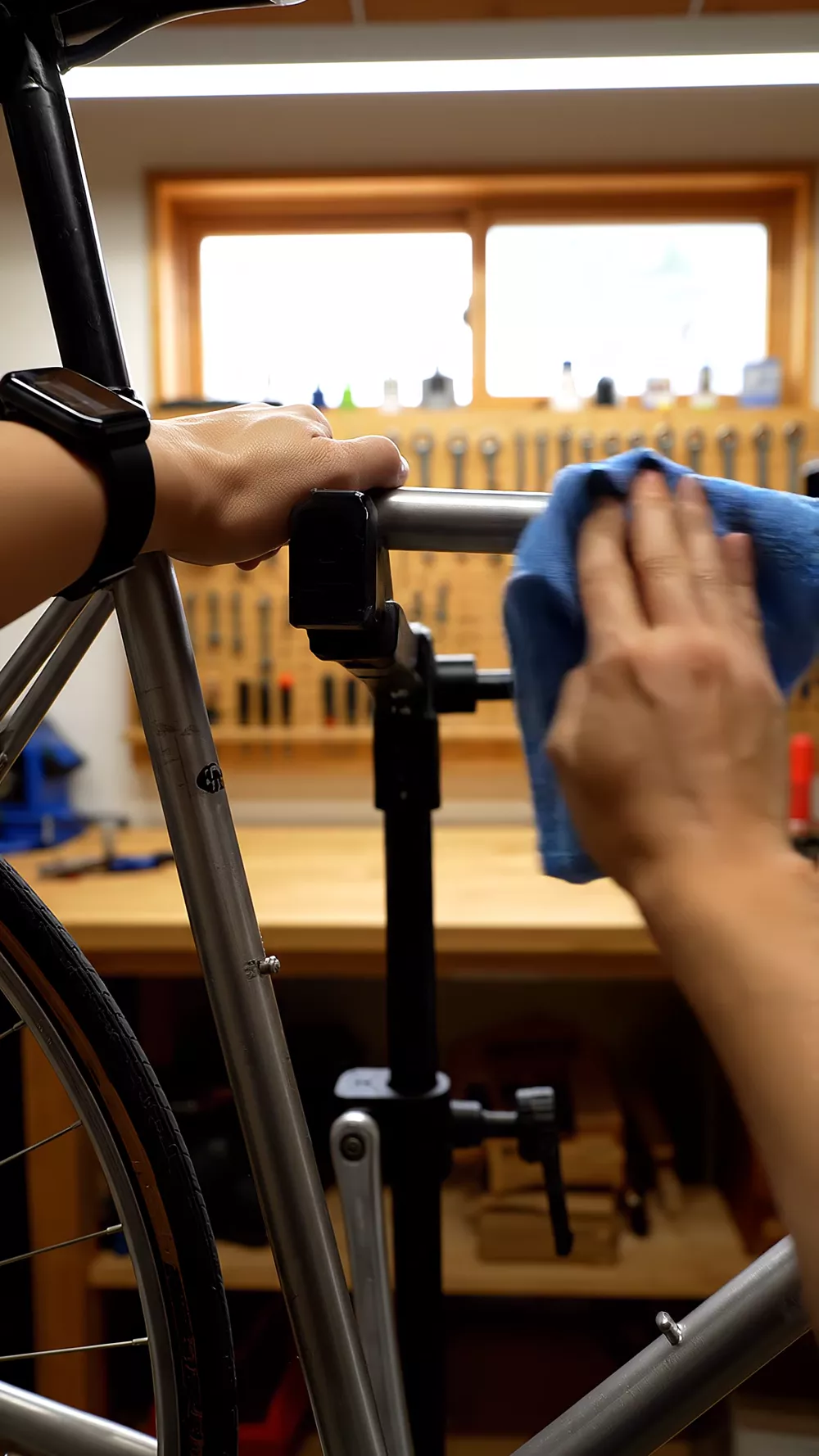
Bike maintenance 
Produce harvest 
Dumpling folding 
Shrimp peeling 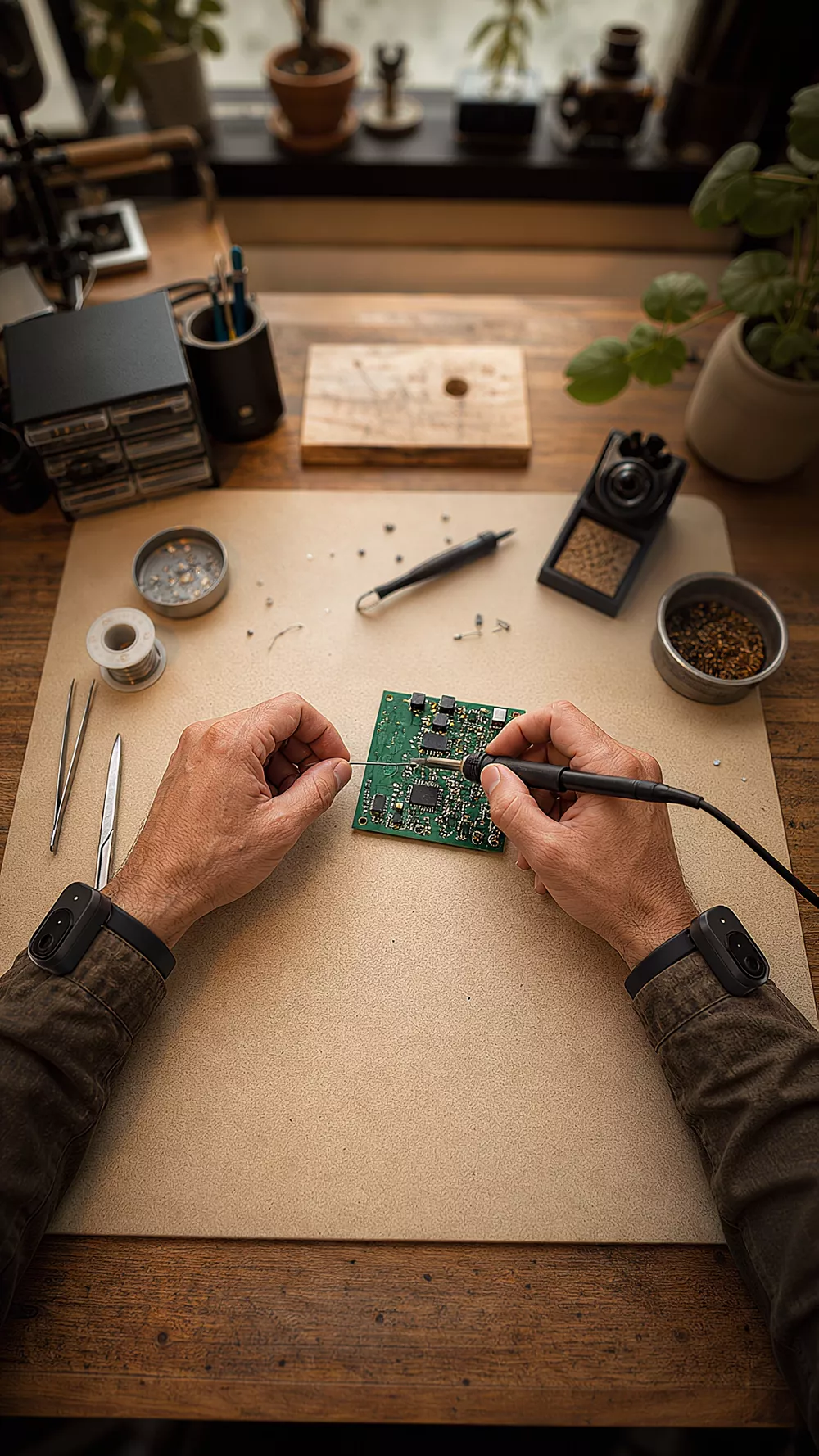
PCB soldering 
Knife work
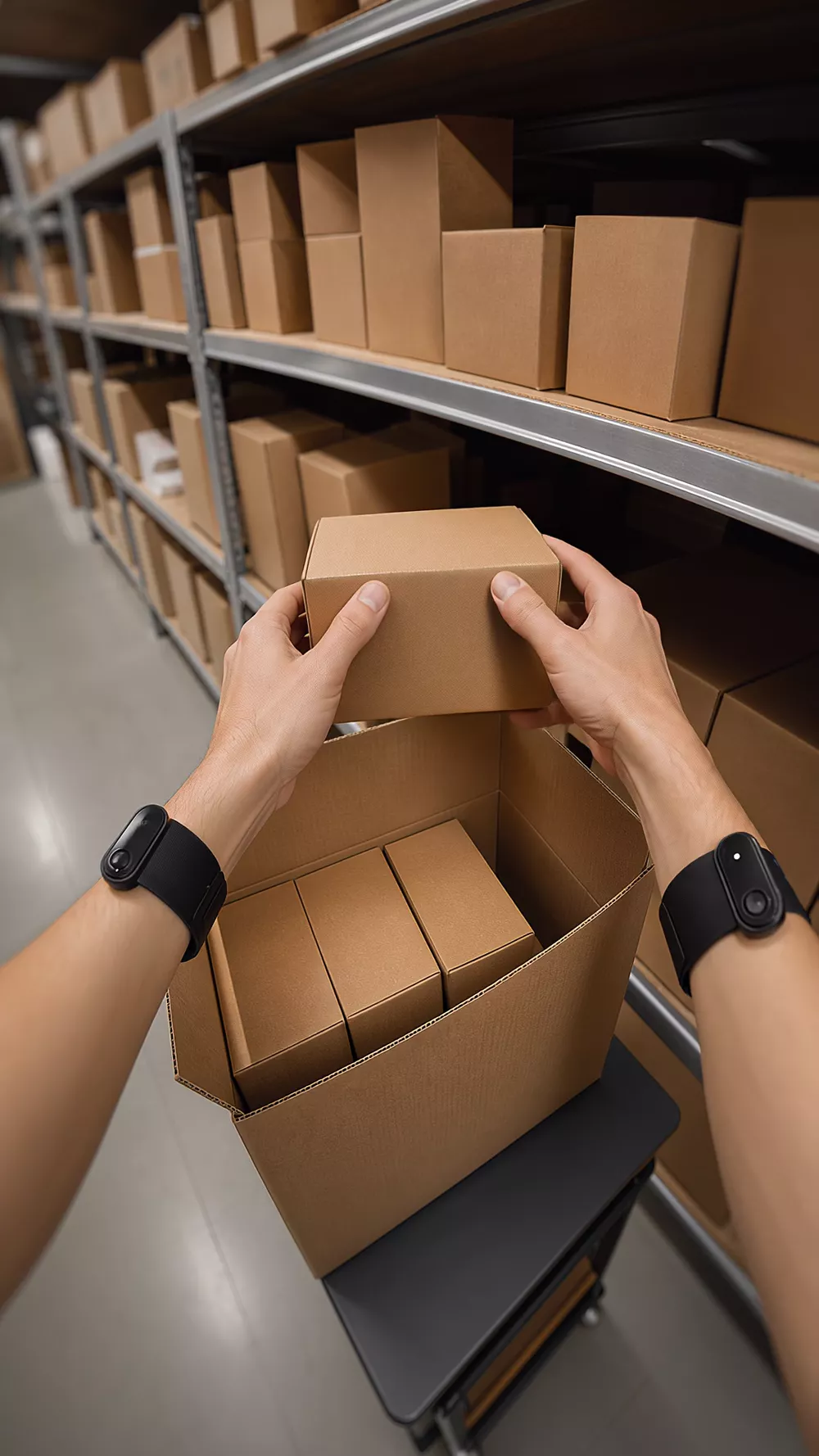
Logistics pick-pack 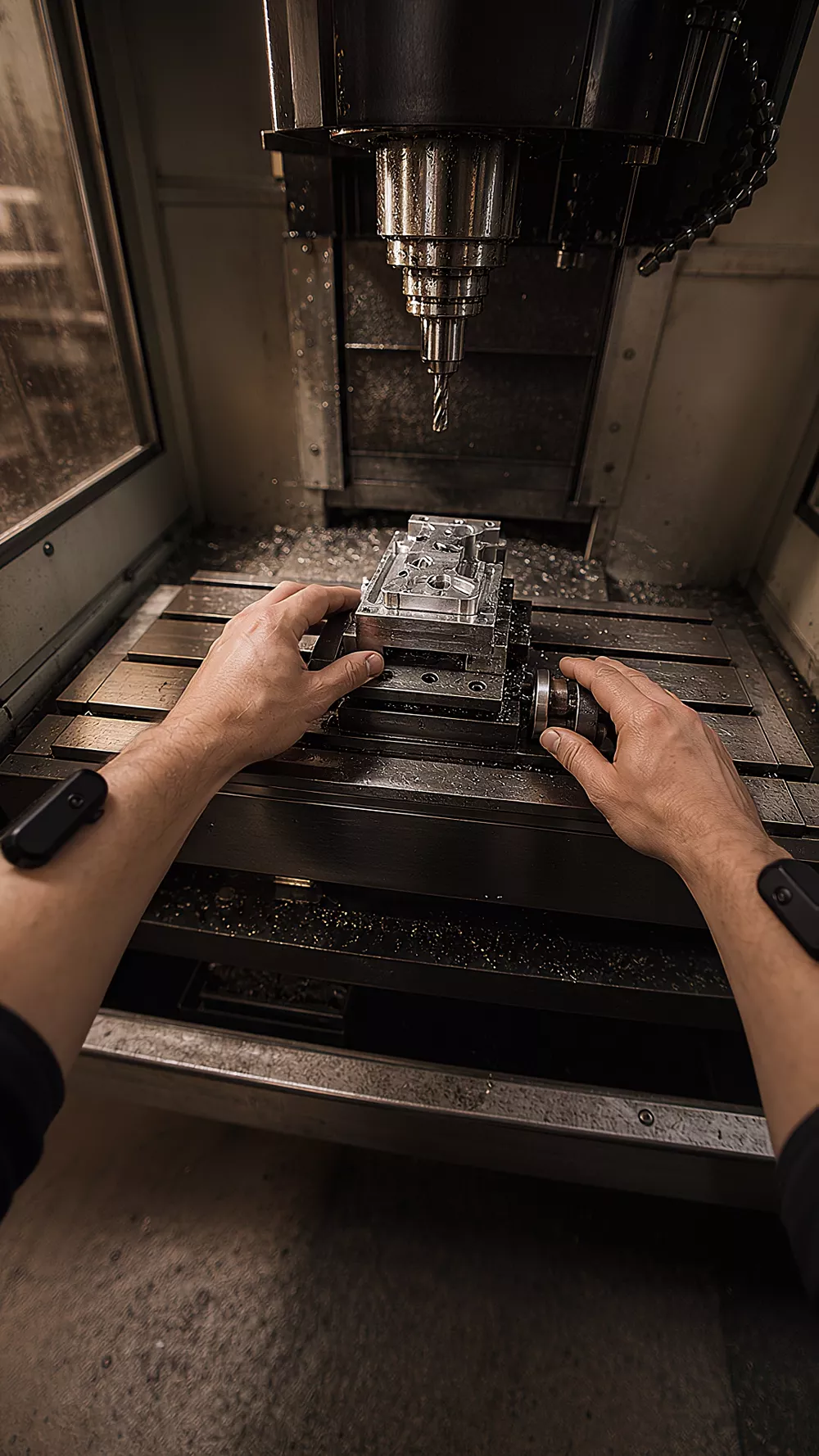
CNC machining 
Bricklaying 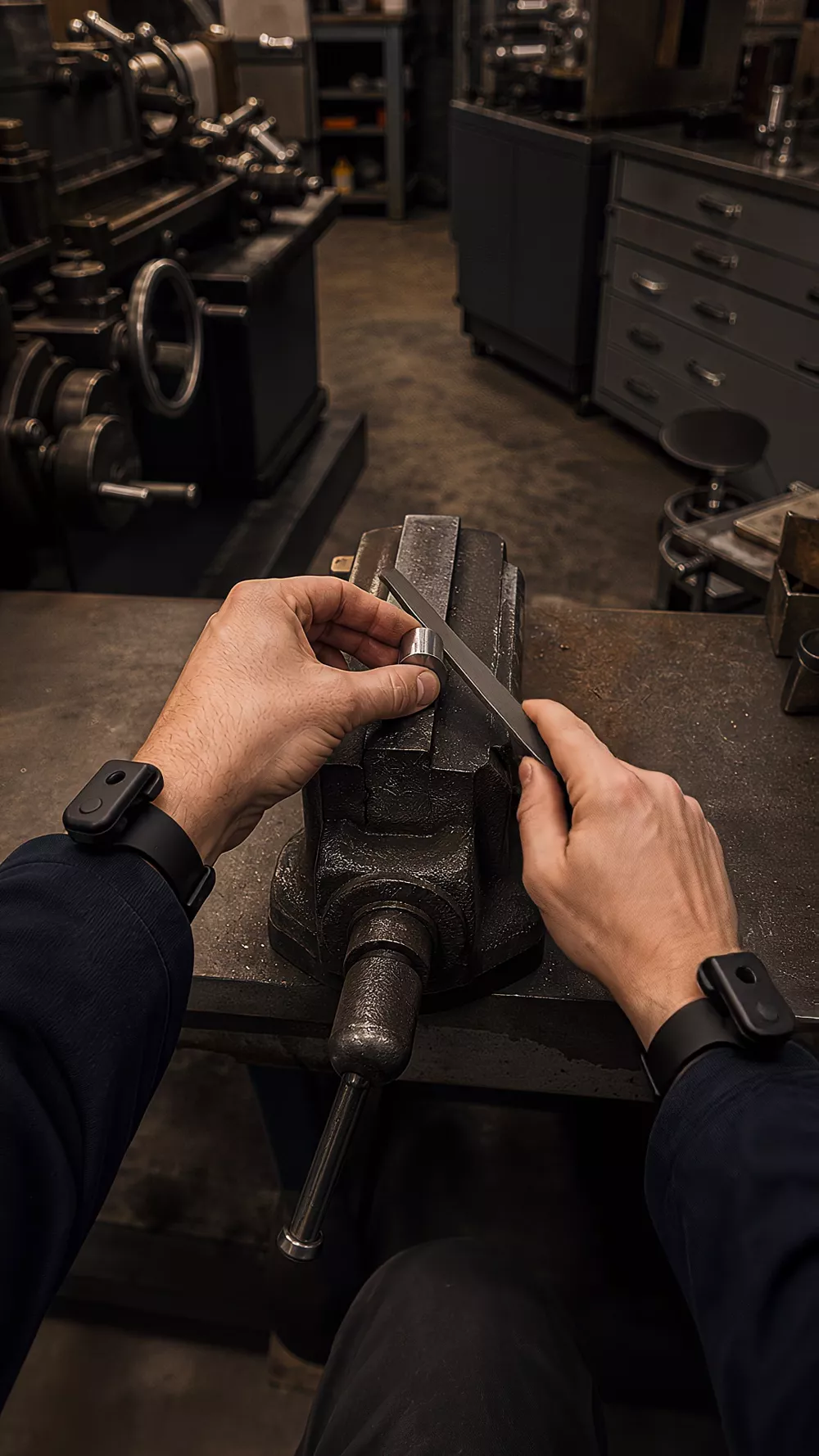
Bench metalwork 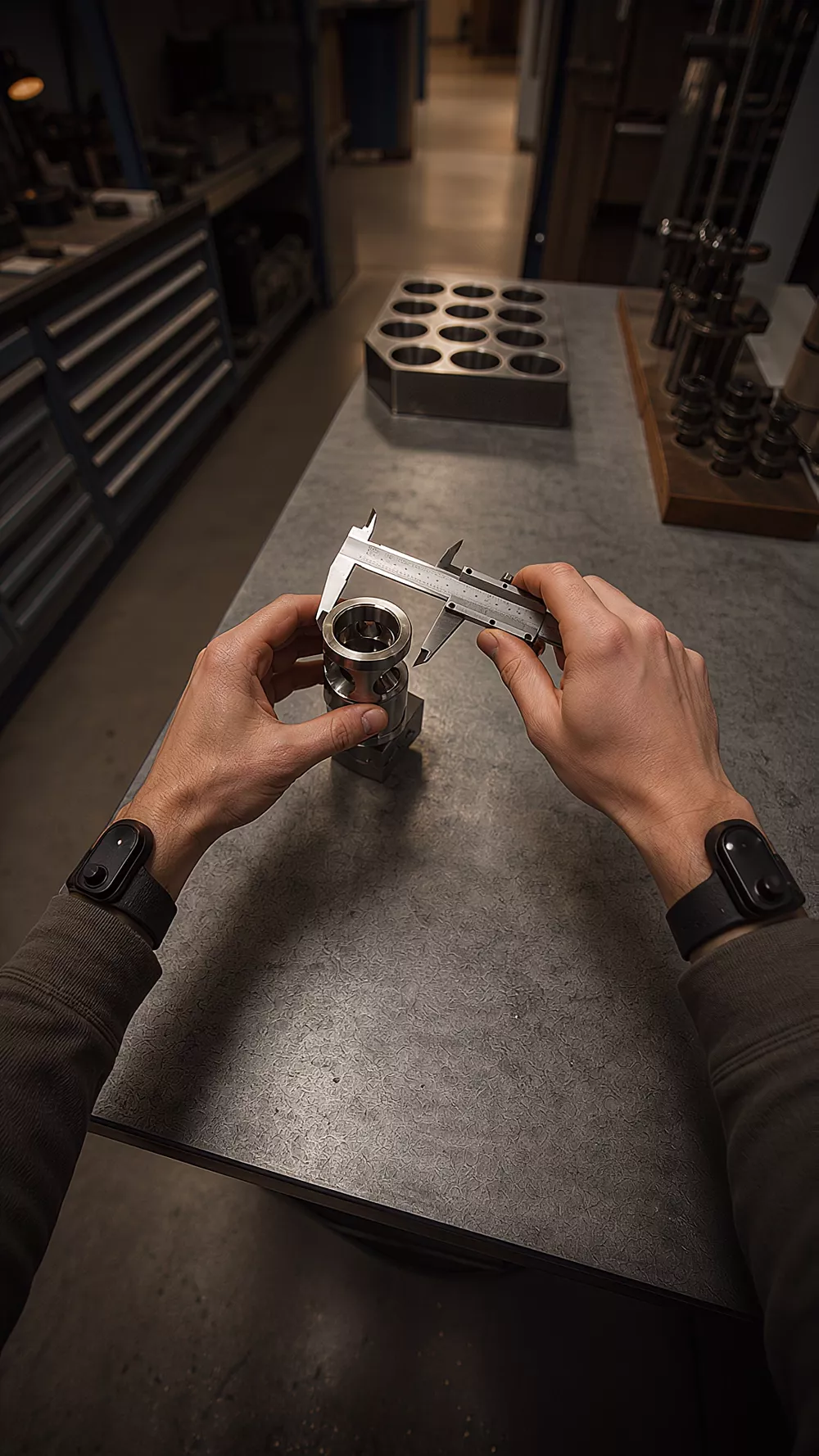
Quality inspection
Representative capture tasks and sites, illustrative of the diversity the program records.
The case for starting with egocentric data.
01 · WHAT THE RESEARCH SHOWS
External results, not Roborecs measurements.
Robot task success from pretraining on 20,000+ hours of human egocentric video, versus training from scratch.
NVIDIA EgoScaleSuccess across 7 tasks with 20 minutes of human data per task, and zero robot data in training.
EgoZero02 · WHY WE START HERE
For most manipulation tasks, an hour of egocentric capture rivals an hour of robot teleoperation, at a fraction of the cost. The contact-rich work is where deployment in real industrial settings comes in.
Sources: roboticscenter.ai, Unidata, EgoMimic, HumanScale
THE PLATFORM
How the data gets made.
The operation pipeline, the seven synchronized capture channels, the Sofia facility, and the specialist models the corpus is built to train.
The company
The moat, the market signal, and the team.
The team behind Roborecs.

Serial entrepreneur. Founded Internet Bulgaria 1996. Chairman of the Bulgarian-Chinese Chamber of Commerce, the China-Europe channel behind our partnership discussions with AgiBot and our route to European partner factories for capture and deployment.

MSc Robotics & AI, EPFL. Calibration, sensor characterization, and contact-rich manipulation for multimodal data quality.
+ Legal partner, 20-person Sofia firm covering GDPR, IP, and data-compliance from day one.
At the crossroads of European deep tech and Asian manufacturing.
Sofia sits between Europe’s deep-tech labs and the Asian robotics supply chain, with the EU’s precision-manufacturing base, electronics and automotive, next door. That is where humanoids deploy first. The Bulgarian cost base is the edge: it lets us capture European-quality data at a fraction of Western cost, so the same budget reaches far more tasks and settings.
PROVENANCE · CONSENT · JURISDICTION
Training data European humanoid makers can lawfully deploy.
Every clip ships with a dataset card and a chain-of-custody. Documented provenance and consent are built in from the first recording, not bolted on before an audit, exactly what a European buyer needs to deploy the data lawfully.
Read the thesis: Physical AI in EuropeEU jurisdiction is a qualifier, the ticket that lets European buyers deploy our data cleanly, not the moat. What compounds is the corpus we build and the loop that keeps improving on it.
EU policy is moving the same way: the June 2026 EU Technological Sovereignty Package and the proposed Cloud and AI Development Act favour European-based suppliers for public and regulated buyers.
Data European buyers can deploy without a second thought.
Clean provenance and a European legal home mean consent, chain-of-custody, and control stay in Europe end to end, exactly what a European buyer needs to put the data into production. Jurisdiction is the qualifier that gets us in the room; the moat is the corpus and the loop.
EU jurisdiction
By corporate structure, not just EU servers. A clean European legal home for the data.
Consent and provenance
Documented per session, anonymized at source. GDPR by design, with a chain-of-custody per clip.
A neutral supply
The egocentric demonstration-data layer, captured in Europe, neutral to every robot maker, and licensable on EU terms.
No open data layer exists yet in Europe. We’re building it.
Embodied AI data infrastructure is the next major investable category, and the market has started funding it. Roborecs is building the European node.
Physical-AI investment reaches record levels, and the data layer becomes the contested bottleneck of the field.
Humanoids move onto a real European automotive line, not a lab demo. Deployment has begun where our data is aimed.
A European industrial commits to humanoids at production scale, the exact buyers of deployment-relevant data.
Europe’s best-funded humanoid robotics company proves the continent can lead physical AI, and that the training data is the scarce resource.
Deployment on a live automotive line, precisely the environment a policy has to transfer into.
INDUSTRY VALIDATION
Europe’s best-funded robotics company already proved the thesis.
NEURA Robotics proved Europe can lead physical AI training. Roborecs scales the supply side, open to every humanoid maker, not vertically integrated into one hardware company.
“NEURA Gyms are physical training facilities where robots practice complex tasks under controlled variability. This generates Physical AI’s scarcest resource: high-quality, real-world training data.”
NEURA Robotics, April 2026
No single lab or OEM can capture the breadth a general manipulation policy needs, in the environments it will deploy into.
European manufacturers who host capture on their own tasks and put the resulting data and automation to work. The near-term partner and the differentiated data source.
Humanoid and AI teams that train on multimodal manipulation data and cannot lawfully or practically run consented capture inside European industry themselves.
EU industrials via Bosch, Schaeffler, Volkswagen, Siemens as downstream integrators, plus academic research collaborations.
Capture the data your robots can’t collect alone.
We design capture programs to run inside real European industrial settings, vision, proprioception, IMU, and audio, in LeRobot-compatible format. Tell us your robot and target tasks, and we’ll scope a pilot.
Start a conversation →Building the neutral data-and-skills engine for physical AI, in Europe.
We are building capture programs to run inside real European industrial settings, with documented consent and provenance, and building toward the specialist skill-policies and evaluation that turn the corpus into deployable robot skills. A neutral supply layer any robot maker can license, in a category the market is already funding.
Robots are landing on European production lines, and the clean, deployment-relevant data those lines need, plus the loop to keep improving on it, does not exist yet. That is the gap Roborecs fills.
Request the investor deck.
We share the investor deck and data room with qualified investors. Email us and a founder replies within 24 hours.
Request the deck →FAQ
Questions partners and investors ask.
Who owns the data?
You license a defined, consent-cleared corpus with full provenance. Roborecs retains the right to build its own specialist models on the aggregate. Custom commissions can include full IP assignment.
How is demonstrator consent handled?
Every operator signs a data-use and likeness release before capture. Recordings are provenance-tracked per session and anonymized at source: GDPR by design, with a chain-of-custody on every clip.
What formats do you ship?
LeRobot v3 and HDF5, with sub-millisecond timestamps across channels, compatible with NVIDIA Isaac GR00T N1.7 and Physical Intelligence π0 pipelines. We do not claim any model trains on our data; we ship the format the ecosystem already uses.
Why start with egocentric capture, not teleoperation?
It is far cheaper and more scalable than teleoperation, and 2025 to 2026 research (EgoScale, EgoMimic, HumanScale) shows human first-person data can train robots as effectively as teleoperation at a fraction of the cost. The rest is added in the real industrial settings where the data has to transfer.
How are you different from NEURA, a teleoperation-data vendor, or a robot maker collecting its own data?
We start with egocentric human demonstration, where teleop-first vendors start with the most expensive layer. We are a neutral supplier, not a robot maker, so any OEM can license the corpus without feeding a rival’s pipeline. And we capture under EU jurisdiction by corporate structure, with consent and provenance built in from the first recording. NEURA is investing €17M into an in-house facility for its own robots; we build the shared data supply the whole field can license.
When is the facility operational?
Egocentric capture is the phase we start with. The Sofia facility that adds multimodal fidelity is targeted for Q3 2027. We label what ships now versus what comes next, and we do not describe the facility in the present tense.
How does a partner run a pilot?
Tell us your robot and target tasks. We scope a capture program, agree a sample spec, and deliver an evaluation set before any volume commitment. Email info@roborecs.com and a founder replies within 24 hours.